Push the Patient Callouts — Talk Less, Clear More
Build a tiny shared vocabulary so duo bed runs survive without in-game voice.
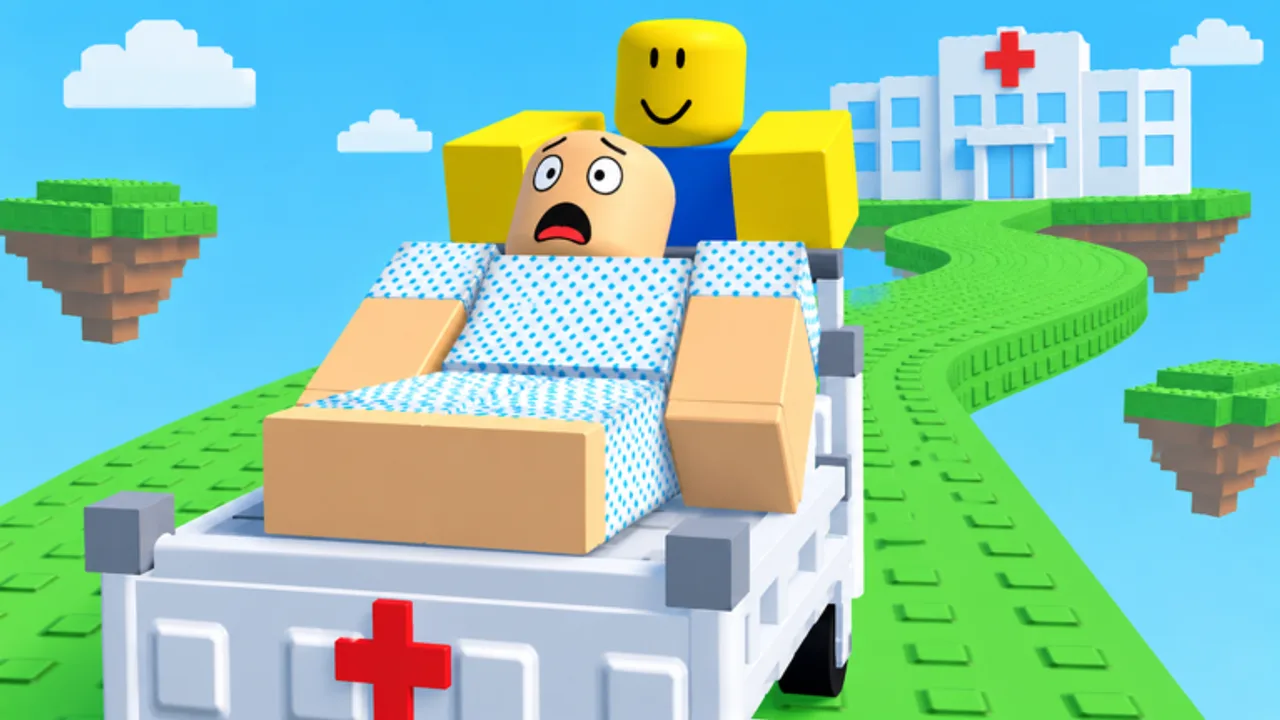
Communication is a mechanic in Push the Patient
In Push the Patient, the bed does not care who is “better”—it cares whether brake and steer arrive on time. Duo mode splits those jobs: one player pushes and brakes, the other lies in the bed and steers, and you can swap anytime. The experience lists voice chat as not supported, so your clear rate rises or falls on external voice, short callouts, and calm resets.
This page is the communication playbook: a tiny vocabulary, Discord (or phone) setup, silent emote/movement cues when voice fails, and blame-free reset habits. Pair it with Duo Mode, Pusher Role, Patient Role, Controls, and the Run Checklist.
Why long sentences fail mid-rail
A warning like “there might be something weird on the left after the second pill pile so maybe slow down” arrives after you have already fallen. Hazards in this hospital—pills, rails, drops, nursery toys, morgue drawers/gurneys—punish late information. Good callouts are early, short, and actionable.
Agree on words before the first serious push. Rehearse them on an easy corridor so the vocabulary is muscle memory when level-8 precision shows up.
Core callout vocabulary
Keep the default set tiny. Add words only when both players use them correctly under pressure.
| Callout | Meaning | Who usually says it |
|---|---|---|
| Push | Apply force now | Steerer or agreed pace lead |
| Soft | Gentle force only | Either; often steerer veto |
| Brake | Scrub speed now | Steerer (vision) or pusher (plan) |
| Stop / Hold | Full halt; do not creep | Steerer lining up, or either on panic |
| Left / Right | Change heading | Steerer; pusher may request |
| Slow | Lower average pace | Either when zigzags start |
| Swap | Change roles on next safe flat | Either |
| Reset | Abort debate; restart attempt | Either (agreed “reset word”) |
Optional second-layer words once the basics stick: lip (drop edge), rail, clear (hazard passed—brake anyway), camera (fix view before moving).
Rules for using the list
- Prefer one or two words over paragraphs.
- Call before the hazard, not during the fall.
- If you say brake, the pusher brakes—no “I still had room” experiments mid-attempt.
- If you say hold, nobody adds “just a little” push.
- Swap only after a full stop on flat ground.
Discord and external voice setup
Because in-experience voice is unavailable, treat Discord (or a phone call) as part of the loadout:
- Join the call before spawning the bed—do not debug audio on a rail.
- Push-to-talk vs open mic: pick what keeps brake calls clear over keyboard noise.
- Balance game volume so callouts beat lobby music and crash sound effects.
- Name roles in chat once: “I push,” “you steer,” plus the reset word.
- Re-check mute after alt-tabbing; silent partners look like griefers.
Phone calls work fine for two-person sessions. Party chat outside the place can work if latency is low. Text-only duo is possible on early floors; mid and late walls usually need faster signals than typing allows.
Add voice testing to the Run Checklist so “friend ready” means “friend audible.”
Who should talk when
- Precision rails / dumbbell-class gates: steerer leads heading calls; pusher confirms soft/brake state.
- Long drop approaches: pusher often leads timing (“soft to lip… hold… commit”).
- Cluttered pill or toy fields: steerer calls the clean lane early; pusher keeps speed modest.
- Teaching a newer friend: experienced player narrates briefly as pusher first so speed stays sane.
If one partner is quieter, put the talkative player on the role that needs more callouts for the current section—or accept that the quiet player must still say brake and hold without shame. Silence is not politeness when the bed is airborne.
Deep job descriptions live on Pusher Role and Patient Role. Input quirks that make callouts feel “late” often start with camera habits on Controls.
Silent and low-voice cues
When Discord dies mid-session—or you are practicing quiet duo—use movement as language:
- Pusher full stop = “I need a decision” or “are you ready?”
- Steerer heading wiggle while stopped = “not ready / re-aiming.”
- No wiggle + squared bed = “ready for soft push.”
- Emote on flat ground (if you agree beforehand) = request swap or reset.
- Repeated intentional micro-brake = “slow down the plan,” not random lag.
Agree on two or three silent cues max. A dozen emote codes will not survive a morgue drawer scare. Return to voice as soon as you can; silent duo is a backup, not the main strategy for late walls.
Blame-free resets
Callouts die when every wipe becomes a trial. Use a reset script:
- One short reaction — laugh or breath, not a lecture.
- Five-word cause — “Late brake before rail.”
- One owner of the fix — who changes behavior next attempt.
- Optional swap — if tilt or sight lines are shot.
- Retry at lower speed until the line is proven.
Forbidden patterns:
- Rewatching the crash as a blame montage.
- Stacking three fixes at once so you learn nothing.
- Sarcasm that makes the steerer stop calling early.
- Ignoring the agreed reset word to keep arguing mid-approach.
After a clear, thank a specific good call (“early brake before the gurney”) so the vocabulary stays rewarded.
Section scripts you can read aloud
Rail entry: “Stop. Ready? Soft. Hold. Brake.”
Drop: “Soft to lip. Hold. Commit. Brake.”
Dumbbell / narrow gate: “Scout. Stop. Soft. Micro. Clear—brake.”
Swap: “Flat. Stop. Swap. Cameras. Soft.”
Practice those scripts on easy ground from Getting Started energy, then take them into Hard Levels content when the hospital stops being funny.
Solo players and “callouts”
Soloists still benefit: say the words out loud to yourself. Narrating brake and soft replaces the partner you do not have and reduces multiplex panic. When you later duo, you will already respect the vocabulary. See Solo Mode for multiplexing drills.
Common communication failures
- Inventing new synonyms every attempt (“ease up,” “chill,” “maybe wait”) instead of soft / brake.
- Calling hazards after contact.
- Pusher narrating novels while the steerer cannot get a word in.
- Steerer spam-steering instead of saying stop.
- Swapping without the word swap or without a full stop.
- Skipping Discord setup because “we will figure it out in game.”
Related pages
- Duo Mode — role split, swaps, crash recovery.
- Pusher Role — speed and brake ownership.
- Patient Role — steering and vision calls.
- Controls — device habits that make timing honest.
- Run Checklist — voice, roles, and reset word before spawn.
Short words, early timing, external voice, and kind resets turn Push the Patient from a screaming contest into a clearable co-op physics run—even without in-game voice chat.
Frequently Asked Questions
Quick answers for duo runs, codes, updates, and stubborn hospital levels.
Does Push the Patient support in-experience voice chat?
No. Voice chat is listed as not supported. Use Discord, a phone call, or another external party chat while you duo.
What callouts matter most?
Keep a tiny set: push, soft, brake, stop/hold, left, right, slow, swap, and a reset word. Short early words beat long late warnings.
Can we duo without voice at all?
Yes on easier floors using stops, heading wiggles, and a few agreed emote cues. Late precision walls are much harder without external voice.
How do we stop blaming each other after crashes?
Use a blame-free reset: one short reaction, a five-word cause, one fix owner, optional swap, then a slower retry. Honor the reset word immediately.
Who should call brake—pusher or patient?
Either. Steerers often call earlier from better angles; pushers call when the plan already includes a brake mark. If someone says brake, brake.